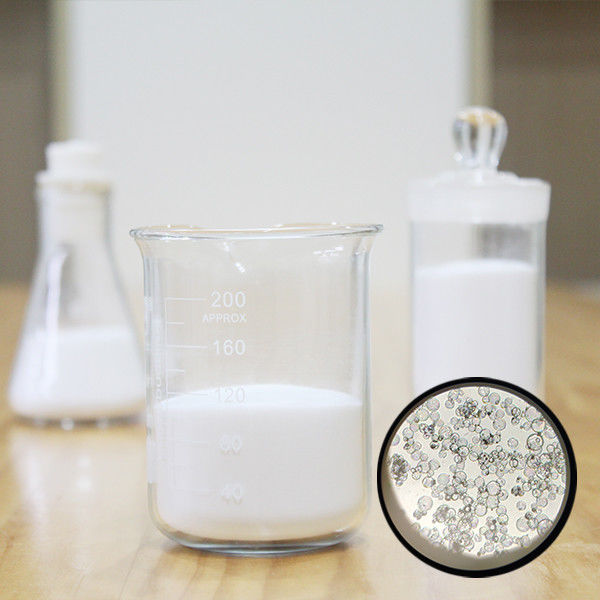
Mô tả sản phẩm:
Microballoons thủy tinh là các quả cầu rỗng vi mô tiên tiến được làm từ thủy tinh, được thiết kế để cung cấp hiệu suất đặc biệt trong một loạt các ứng dụng công nghiệp và khoa học.Những quả bóng nhỏ này được đặc trưng bởi độ dày tường cực kỳ mỏng, dao động từ 1-2 micron, cho phép chúng duy trì tính toàn vẹn cấu trúc trong khi cung cấp các tính chất nhẹ.Sự cấu trúc độc đáo của những quả cầu rỗng này làm cho chúng lý tưởng để sử dụng trong các vật liệu tổng hợp, lớp phủ, chất kết dính và các vật liệu khác khi giảm trọng lượng mà không ảnh hưởng đến độ bền là điều cần thiết.
Một trong những tính năng nổi bật của Glass Microballoons là mật độ khối lượng rất thấp, thường dao động từ 0,15 đến 0,3 g / cm3.Mật độ thấp này là kết quả trực tiếp của cấu trúc rỗng và tường mỏng của chúng, làm cho chúng trở thành một lựa chọn tuyệt vời cho các ứng dụng mà giảm thiểu trọng lượng là rất quan trọng.những quả bóng nhỏ này góp phần giảm trọng lượng đáng kể, nâng cao hiệu suất tổng thể của sản phẩm cuối cùng.
Độ kính trung bình của các quả bóng vi tính này thay đổi từ 10 đến 100 micron, cung cấp tính linh hoạt trong việc điều chỉnh các tính chất vật liệu cho các sử dụng cụ thể.Phạm vi kích thước này cho phép các nhà sản xuất lựa chọn kích thước viêm bong bóng phù hợp để tối ưu hóa các yếu tố như kết thúc bề mặtSự phân bố kích thước nhỏ và đồng đều đảm bảo hiệu suất nhất quán và dễ xử lý trong các thiết lập sản xuất khác nhau.
Quản lý nhiệt là một lĩnh vực khác mà Glass Microballoons xuất sắc.thấp hơn đáng kể so với nhiều chất độn và phụ gia truyền thốngĐộ dẫn nhiệt thấp này làm cho chúng trở thành vật liệu cách nhiệt hiệu quả, góp phần tăng cường sức đề kháng nhiệt trong các cấu trúc tổng hợp.các vi bong bóng có giá trị dẫn nhiệt là 0.2, làm nổi bật thêm khả năng quản lý lưu lượng nhiệt hiệu quả trong các ứng dụng chuyên biệt.
Ngoài các tính chất vật lý và nhiệt của chúng, những quả bóng vi mô này cung cấp sự ổn định hóa học tuyệt vời và chống ẩm, làm cho chúng phù hợp để sử dụng trong môi trường khắc nghiệt.Bản chất trơ của chúng đảm bảo khả năng tương thích với nhiều loại vật liệu khác nhau, bao gồm epoxy, polyester và nhựa nhiệt khác.Sự tương thích này là rất quan trọng để duy trì hiệu suất và tuổi thọ của các vật liệu tổng hợp và lớp phủ khi sử dụng vi bong bóng.
Việc kiểm soát chính xác độ dày tường, trong phạm vi 1-2 micron, đảm bảo rằng các quả bóng vi mô duy trì sự cân bằng tinh tế giữa sức mạnh và trọng lượng.Các bức tường mỏng hơn góp phần làm giảm mật độ và cách nhiệt tốt hơn, trong khi vẫn cung cấp sức mạnh cơ học đủ để chịu được căng thẳng chế biến.khi hiệu suất vật liệu ảnh hưởng trực tiếp đến an toàn và hiệu quả.
Tóm lại, Microballoons thủy tinh với độ dày tường 1-2 micron, độ dẫn nhiệt 0,05 W/m·K, mật độ khối lượng 0,15-0,3 g/cm3,và đường kính trung bình 10-100 micron là một vật liệu rất linh hoạt và có giá trịSự kết hợp độc đáo của chúng về trọng lượng nhẹ, sức mạnh và tính cách nhiệt làm cho chúng trở nên không thể thiếu trong khoa học vật liệu và kỹ thuật hiện đại.,cải thiện cách nhiệt, hoặc giảm trọng lượng, những quả bóng vi mô này cung cấp hiệu suất và độ tin cậy không sánh kịp.
Với các thông số kỹ thuật tiên tiến và lợi ích đã được chứng minh, Glass Microballoons tiếp tục đóng một vai trò quan trọng trong việc phát triển các sản phẩm và giải pháp sáng tạo trong các ngành công nghiệp khác nhau.Chất lượng nhất quán và tính chất đặc biệt của chúng đảm bảo rằng các nhà sản xuất có thể dựa vào chúng để đáp ứng các tiêu chí hiệu suất đòi hỏi, làm cho chúng trở thành sự lựa chọn ưa thích của các kỹ sư và nhà thiết kế trên toàn thế giới.
Đặc điểm:
- Tên sản phẩm: Microballoons thủy tinh
- Vật liệu: thủy tinh
- Chống hóa chất: Chống tốt cho hầu hết các hóa chất
- Chống nhiệt độ: Tối đa 600°C
- Chiều kính trung bình: 10-100 micron
- Hình dạng: Tròn
Các thông số kỹ thuật:
| Độ dày tường |
1-2 Micron |
| Mật độ thực sự |
0.58-0.62 |
| Ứng dụng |
Các chất lấp nhẹ, cách nhiệt, composite, bọt tổng hợp |
| Chống nhiệt độ |
Đến 600°C |
| Mật độ khối |
0.15-0.3 G/cm3 |
| Sức mạnh nén |
Tối đa 100 MPa |
| Chiều kính |
20-75 μm |
| Chiều kính trung bình |
10-100 Micron |
| Chống hóa chất |
Khả năng chống lại hầu hết các hóa chất |
| Màu sắc |
Màu trắng hoặc trắng |
Ứng dụng:
Các quả bóng nhỏ bằng thủy tinh, đặc trưng bởi màu trắng hoặc trắng và hình dạng hoàn toàn hình cầu, là vật liệu rất linh hoạt được sử dụng rộng rãi trong các ứng dụng công nghiệp và thương mại khác nhau.Tính năng độc đáo của chúng, chẳng hạn như dẫn nhiệt thấp 0,05 W/m·K và đường kính từ 20 đến 75 μm, với đường kính trung bình từ 10 đến 100 micron,làm cho chúng lý tưởng để nâng cao hiệu suất của nhiều sản phẩmNhững quả cầu rỗng nhỏ này chủ yếu được sử dụng để giảm trọng lượng, cải thiện cách nhiệt và tăng độ bền trong vật liệu tổng hợp, sơn, lớp phủ và chất niêm phong.
Một trong những trường hợp ứng dụng phổ biến nhất cho các quả bóng nhỏ bằng thủy tinh là trong ngành công nghiệp hàng không vũ trụ và ô tô.Bằng cách kết hợp các hạt hình cầu này vào nhựa và vật liệu tổng hợp, các nhà sản xuất có thể tạo ra các bộ phận nhẹ giúp tăng hiệu quả sử dụng nhiên liệu và hiệu suất tổng thể.có lợi trong môi trường nhạy cảm với nhiệt độ.
Trong xây dựng và vật liệu xây dựng, vi bóng thủy tinh được sử dụng để sản xuất bê tông, vữa và vữa nhẹ.cải thiện độ cách nhiệt của vật liệu và giảm trọng lượng tổng thểĐiều này dẫn đến các tòa nhà tiết kiệm năng lượng và xử lý dễ dàng hơn trong quá trình xây dựng. Ngoài ra, màu trắng hoặc màu trắng của chúng giúp duy trì chất lượng thẩm mỹ của lớp phủ và kết thúc.
Các quả bóng nhỏ bằng thủy tinh cũng được ưa chuộng trong các ngành công nghiệp hàng hải và đường ống, nơi khả năng nổi và chống ăn mòn là điều cần thiết.làm cho chúng phù hợp với các thiết bị nổi và các vật liệu tổng hợp biển nhẹĐộ bền và khả năng chống hóa chất của chúng làm tăng tuổi thọ của lớp phủ đường ống và chất niêm phong.
Tóm lại, các bong bóng nhỏ bằng thủy tinh được áp dụng trong nhiều kịch bản bao gồm ngành hàng không vũ trụ, ô tô, xây dựng và hàng hải.Các thuộc tính độc đáo của chúng như dẫn nhiệt thấp (0.05 W / m · K), hình dạng hình cầu và đường kính được kiểm soát (20-75 μm, trung bình 10-100 micron) cho phép các nhà sản xuất tạo ra các sản phẩm nhẹ, cách nhiệt và bền.lớp phủ, hoặc các chất niêm phong, những quả bóng vi mô này đóng một vai trò quan trọng trong việc cải thiện hiệu suất sản phẩm trên nhiều lĩnh vực.
FAQ:
Q1: Microballoons thủy tinh là gì?
A1: Microballoons thủy tinh là những quả cầu thủy tinh rỗng nhỏ được sử dụng để giảm mật độ vật liệu, cải thiện cách cách và tăng độ nổi trong các ứng dụng khác nhau.
Q2: Các ứng dụng điển hình của Glass Microballoons là gì?
A2: Chúng thường được sử dụng trong vật liệu tổng hợp, chất kết dính, lớp phủ, bọt tổng hợp và vật liệu xây dựng nhẹ để cải thiện tỷ lệ độ bền so với trọng lượng và cách nhiệt.
Q3: Phạm vi kích thước điển hình của Glass Microballoons là gì?
A3: Microballoons thủy tinh thường có kích thước từ 10 đến 100 micron đường kính, tùy thuộc vào loại sản phẩm cụ thể.
Q4: Làm thế nào để Glass Microballoons ảnh hưởng đến mật độ của một vật liệu composite?
A4: Bởi vì chúng rỗng, Glass Microballoons làm giảm đáng kể mật độ tổng thể của vật liệu tổng hợp, làm cho chúng nhẹ hơn mà không ảnh hưởng đến độ bền.
Q5: Có phải Glass Microballoons tương thích với tất cả các loại nhựa và polyme?
A5: Microballoons thủy tinh thường tương thích với hầu hết nhựa epoxy, polyester và vinyl ester, nhưng tính tương thích nên được xác minh cho các công thức cụ thể.